

According to the Out-of-Home Advertising Association of America, people spend about 70% of their waking hours away from home.
Out-of-home (OOH) advertising lets you reach and connect with them during that time. In other words, this form of advertising helps you target your audience when they are not watching TV, scrolling social media on their couch, or listening to podcasts in bed.
But what exactly is OOH advertising, and why should you consider it? How can you make your OOH campaign successful?
What Is OOH Advertising?
Out-of-home advertising includes any ads people see outside their homes or in public areas, such as billboards and posters. It falls into one of two main categories: traditional OOH and digital OOH (DOOH).
Traditional OOH ads are static (motionless) and printed. On the other hand, digital out-of-home (DOOH) advertising uses modern screens or displays to reach audiences in public areas. DOOH media encompasses digital images and videos that can change or update in real time.
What Are the Types of OOH Advertising?
Here are common types of OOH advertising, with examples of each:
- Billboards and posters: Large roadside signs and wall posters
- DOOH displays: Digital billboards, mall screens, and interactive kiosks
- Transit advertising: Bus wraps, train station panels, and static signs or digital ad screens on taxi tops
- Street furniture and urban panels: Ads in bus shelters, park benches, or phone booths; digital screens on city sidewalks
- Place-based and ambient media: Ads in gyms, cinemas, or elevators; floor decals in public places
What Are the Benefits of Out-of-Home Advertising?
Statistics say OOH ad revenue surpassed $9.1 billion in 2024, a 4.5% increase from the previous year. That means brands are increasingly investing in out-of-home advertising. But why?
Broad Reach and High Visibility
OOH ads usually appear in high-traffic areas where they are easy to notice. According to the Out of Home Advertising Association of America, nine in ten adults see OOH ads. And about 80% of those viewers are inspired to take action.
Creative Flexibility
In outdoor advertising, you can use print or digital media. The content can be static (e.g., still images) or motion-based (e.g., a video with or without sound). There are also multiple OOH advertising methods.
With multiple types of out-of-home media and channels, you have many options when trying to discover what works best for your organization.
Enhanced Targeting With DOOH
With digital out-of-home advertising, you don’t just reach people based on their geographic location. DOOH allows you to target your audience based on additional factors, such as time of day, a specific environment they like to visit, and weather.
Enhanced targeting helps you reach the right people when they are most likely to notice your ads and take action.
Cross-Channel Integration Opportunities
You can integrate OOH digital advertising with other promotional campaigns in your business.
For example, QR codes on OOH advertisements can drive engagement in online marketing by directing consumers to a dedicated landing page. You can also use geofencing to trigger mobile ads when someone with a GPS-enabled mobile device (like a smartphone) is close to your OOH ads.
Measurable Performance and Real Impact
There are many ways to measure the impact of OOH advertising.
For instance, a unique promo in your OOH ad helps you measure the number of purchases related to the campaign. You can also compare sales figures before and after running an OOH ad to determine any noticeable change.
Measuring the performance of OOH advertising gives you valuable insights. You can use these insights to improve marketing effectiveness and justify whether investing in OOH campaigns is worth it for your company.
Key Considerations to Plan an Effective OOH Campaign
What can you do to make your OOH campaigns successful?
Analyze Your Target Audience
What are your ideal customers doing when they’re outside their homes? Are they hitting the gym, commuting to work, grabbing a late-night dinner, or just running errands? Where they go and what they’re doing will determine where and how you place your ads.
Select Strategic Locations
The best location for your OOH ad is where your ideal customers are most likely to see it. For example, if you target commuters, you may place your ads in transit stations and vehicles. And if shoppers are your target audience, you may advertise in shopping malls or grocery stores.
Create Compelling Content
Persuasive OOH content resonates with the target audience’s needs, pain points, or interests. It is also:
- Simple: Make it short, clear, and easy to understand at a glance.
- Eye-catching: Use appealing images, bold colors, and big fonts that are easy to spot.
- Memorable: Evoke emotion, take advantage of humor, or use catchy slogans.
- Action-oriented: Include a call-to-action if you want people to take a specific step after seeing your ad.
Leverage Data
Guesswork and gut feeling are never reliable when making any business decision. Instead, let data guide your marketing and OOH advertising efforts. For example, analyze traffic data from ad placement providers to identify locations with high visibility and reach.
You can also use demographic and behavioral data to understand who passes by those locations. These insights help you create messages that resonate with people who see your ads.
Track and Analyze Performance
Once your campaign is live, you can measure performance using OOH analytics tools. This will show you how effective your campaign is. You can then use the insights to make adjustments that improve performance.
Following these best practices can make your OOH campaign successful. But if you’d rather have expert support throughout the process, a full-service media agency like Mindstream Media Group can help with everything, including OOH media planning and buying.
OOH Advertising Example from Mindstream Media Group’s past work
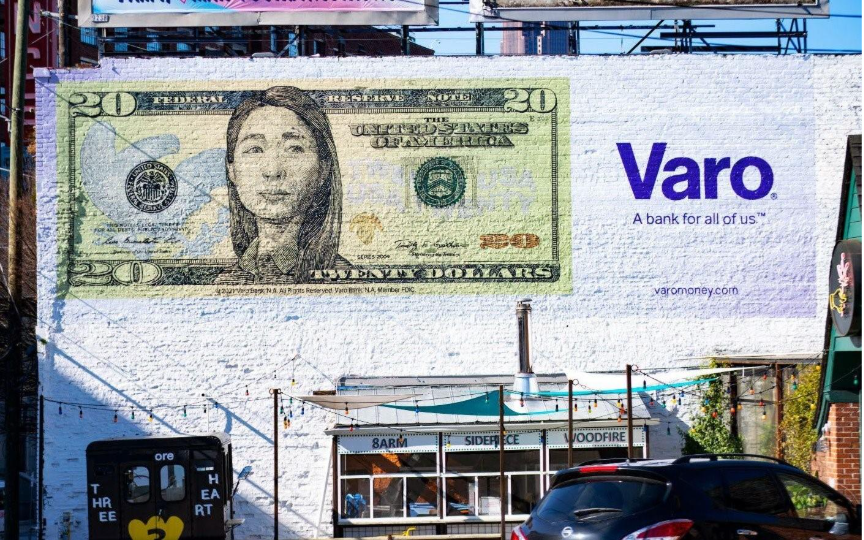
What makes this OOH ad good?
The realistic $20 bill and a regular person’s face in the advertisement grab and hold your attention. The image embodies the simple tagline, and the minimal text makes it easy to focus on the logo and remember the brand.
Make Your Out-of-Home Advertising Campaign Successful With Mindstream Media Group
Mindstream Media Group is a full-service media agency that can help you plan, execute, measure, and improve marketing efforts in any channel, including OOH advertising. We’ve helped organizations achieve their goals through impactful advertising strategy and execution.
Contact us today to see how our services can make your marketing campaigns successful and help your business grow.
